
Social Responsibility
Straight From The Heart
Supporting sustainable development, driving social impact initiatives.
Supporting sustainable development, driving social impact initiatives.
The CSR interventions, under the DCM Shriram umbrella, are implemented seamlessly, taking an integrated approach for holistic development. As part of DCM Shriram’s strategy and vision going forward, we aspire to have a deeper impact on people we engage with by making the communities more resilient and self-confident. Our focus is on two aspects: addressing community needs through all-round development for a measurable improvement in quality of life and promoting economic empowerment of farmers in India with emphasis on climate sustainable agriculture.
We believe that the nature of DCM Shriram’s vision provides social mobility to communities we support, and brings about a permanent improvement in their wellbeing.
The core of the work being on creating impact on the lives of people, the focus areas are livelihood, healthcare, sanitation, environment and education. The primary focus of the interventions is on communities around its manufacturing units in the geographies of Hardoi & Lakhimpur districts of UP, Kota district in Rajasthan and Bharuch district in Gujarat.
For further information please log on to www.dcmshriramfoundation.org

Integrated Development Model: Promoting Holistic Growth under “Khushali Program” Umbrella
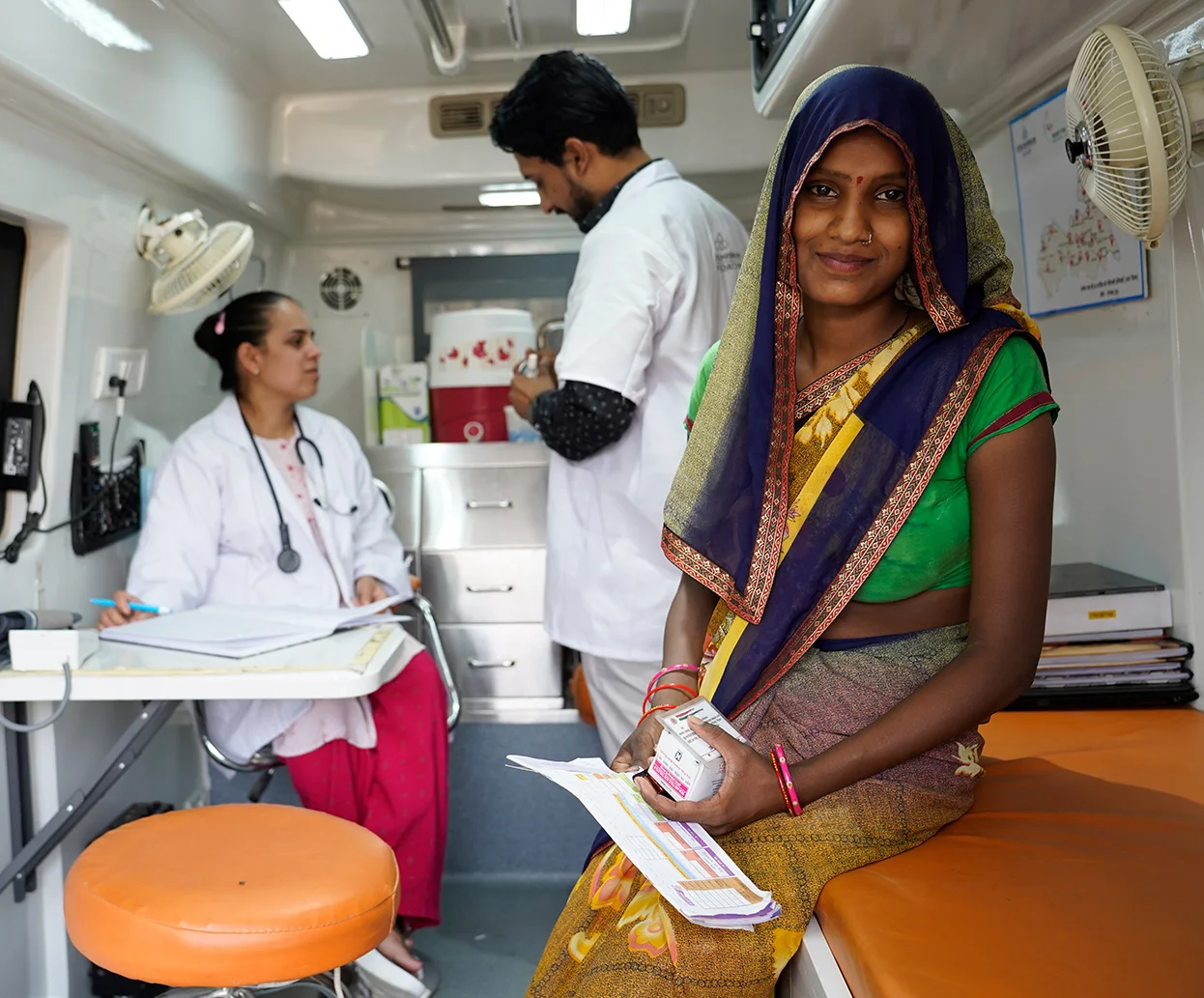
DCM Shriram has a holistic approach to healthcare. The ‘Mother & Child program’ has an overall objective to reduce the MMR and IMR in the adopted villages of UP, Gujarat and Rajasthan, with a focus on improving demand, access and quality of maternal and child healthcare, aligned with the goal of near zero maternal and infant mortality.
To strengthen maternal and child health outcomes, the project focuses on empowering frontline workers; ASHA and Anganwadi workers through training and mentorship. A unique feature of this model is the development of a cadre of ASHA Mentors, who provide continuous handholding support to frontline workers.
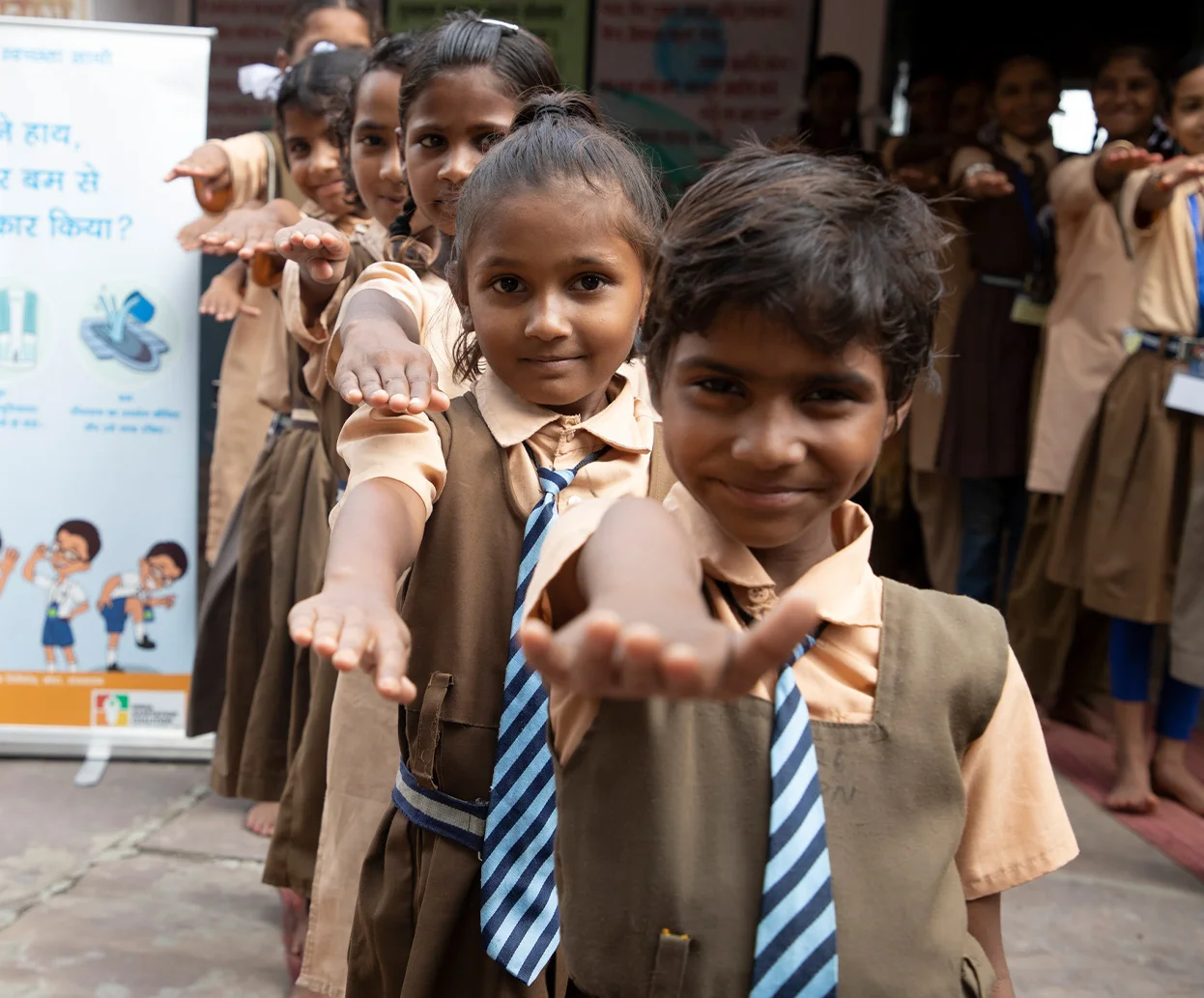
Khushali Swachhata reflects DCM Shriram commitment to building clean, resilient communities through decentralised and community-led waste management systems. Aligned with national priorities and global sustainability goals, the initiative promotes source segregation, recycling, and local processing of waste. Models such as the Zero Waste Zero Cost and the Nagar Palika-led approach demonstrate how waste can be transformed into a resource, enabling environmental sustainability, improved public health, and long-term community ownership.
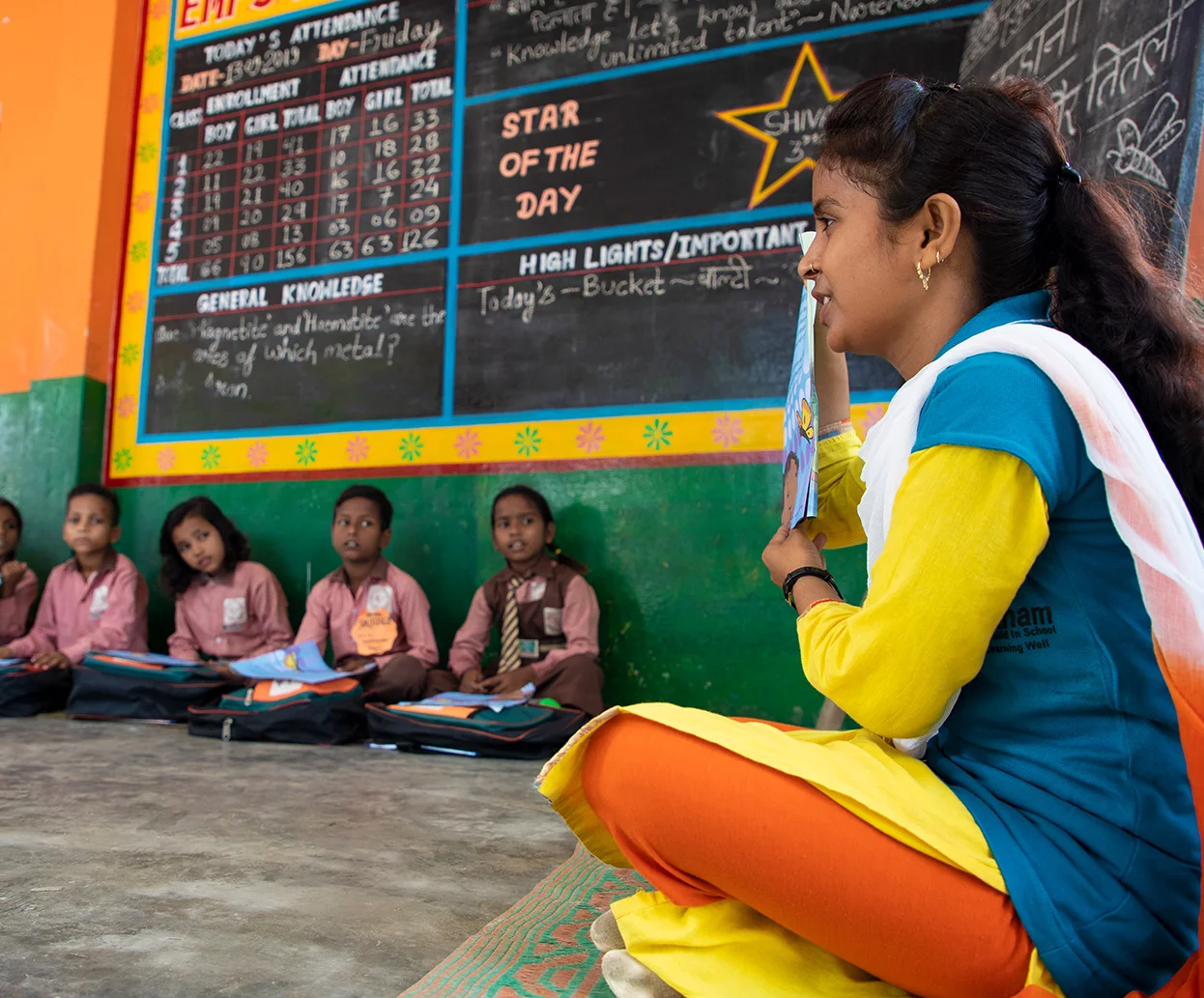
Focused on strengthening early learning foundations, the initiative enhances school readiness for young children through improved Anganwadi ecosystems and activity-based learning. It emphasises age-appropriate teaching-learning materials, capacity building of Anganwadi workers, and community engagement to support holistic child development across cognitive, social, emotional, and physical domains. Implemented through a hub-and-spoke model, it enables mentoring, knowledge sharing, and systemic strengthening, creating scalable and sustainable early childhood education outcomes.
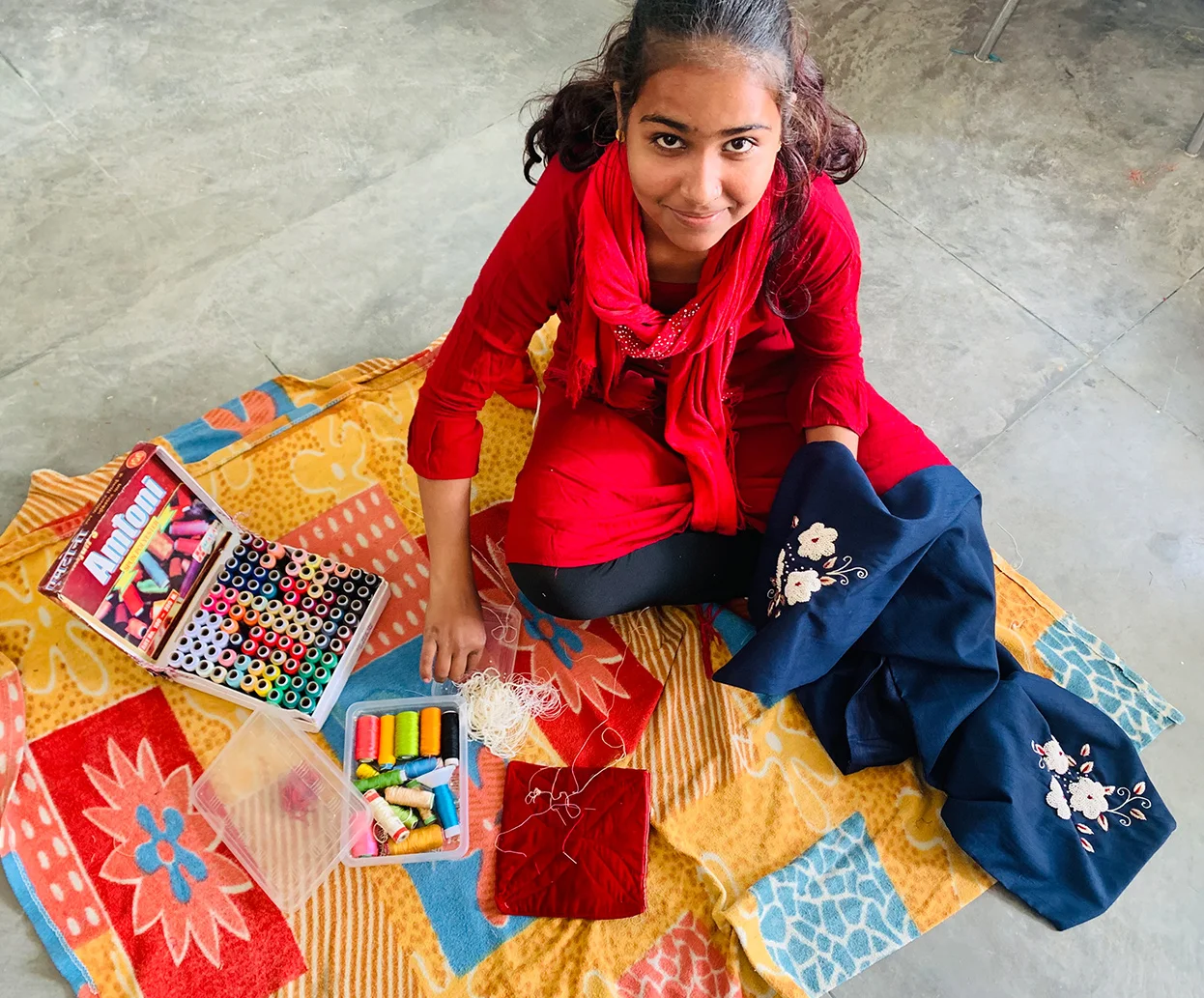
Focused on enabling sustainable livelihoods, the initiative strengthens skill development, vocational training, and entrepreneurship across rural communities. It works across sectors such as agriculture and youth skilling to enhance income opportunities and economic resilience. By building practical skills, supporting enterprise development, and promoting diversified livelihood pathways, the program empowers individuals, especially youth and women to achieve long-term financial stability and improved quality of life.
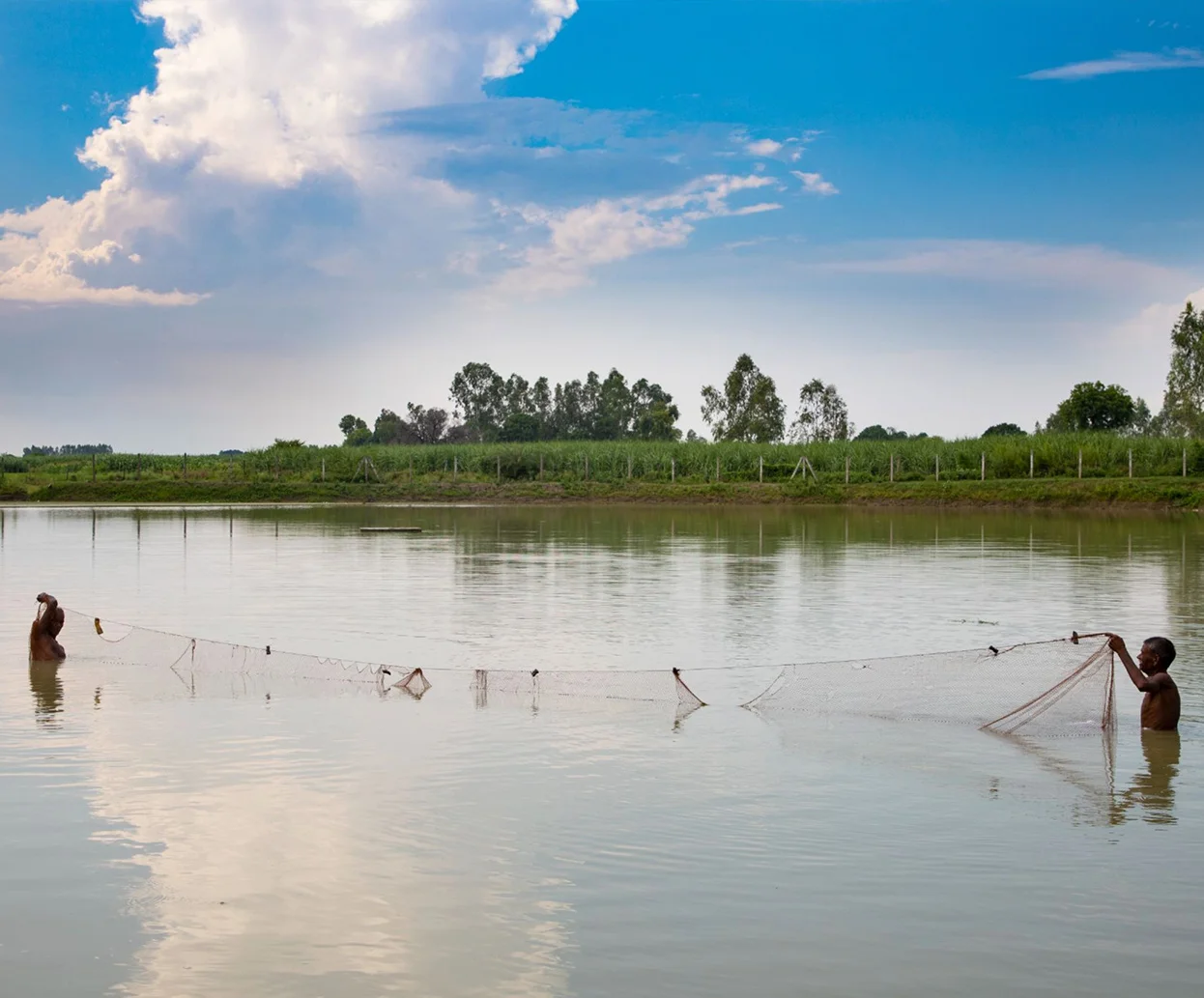
Focused on environmental sustainability, the initiative promotes water conservation, afforestation, and biodiversity restoration to build climate-resilient communities. Through an integrated watershed management approach, it addresses water scarcity by strengthening groundwater recharge and restoring ecosystems. It also undertakes tree plantation through methods such as Miyawaki forests and mangrove restoration, enabling rapid green cover and coastal resilience. Together, these efforts encourage community-led stewardship while supporting long-term ecological balance and sustainability.
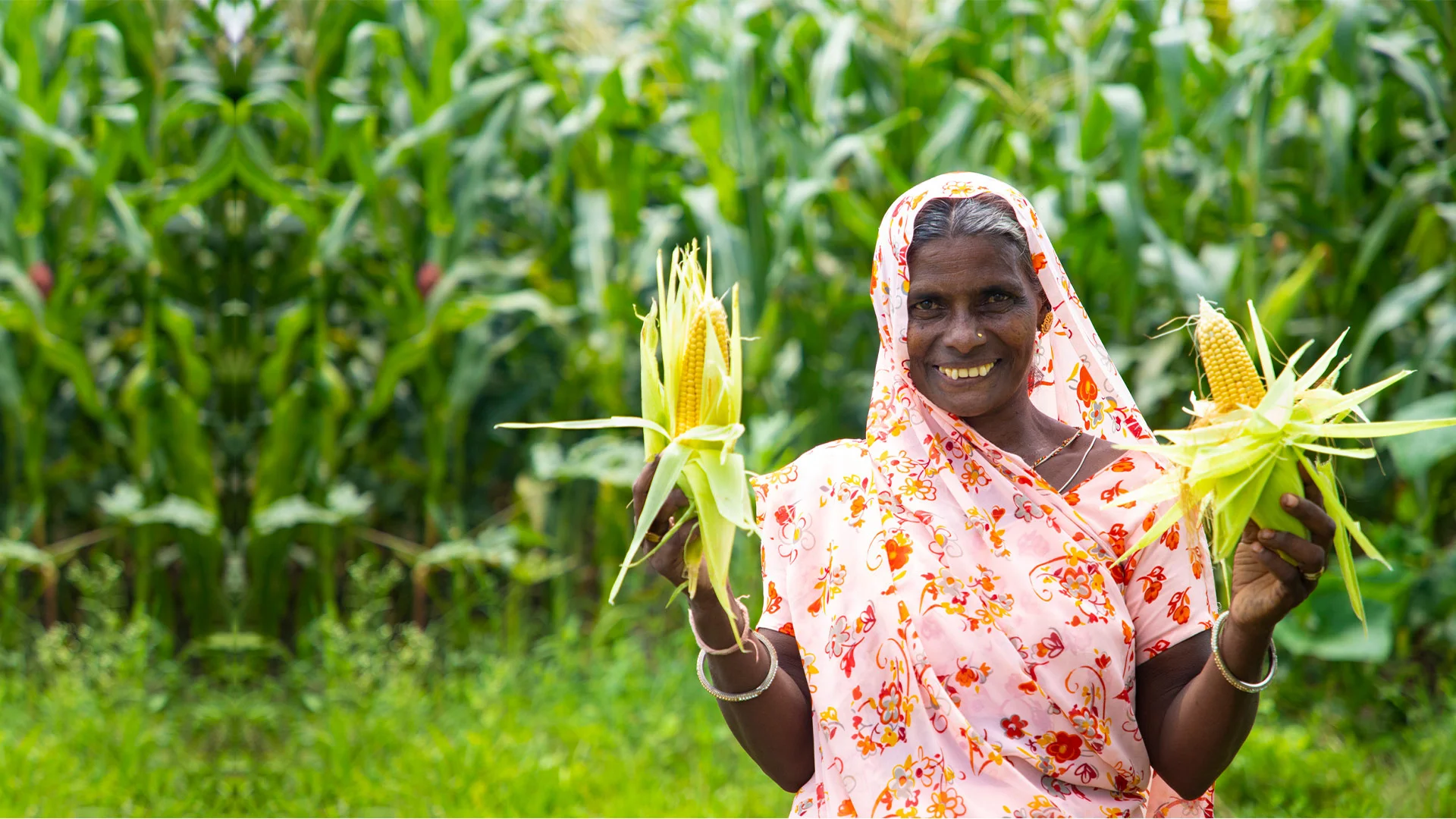
DCM Shriram’s core program “Jeetega Kisaan” focuses on increasing farmer income through training on improved farming practices and providing better market linkages, including adoption of improved crop practices, high-value crop cultivation, efficient use of water and inputs, and strengthening market linkages to enhance productivity and profitability while promoting sustainable agriculture.
Climate Sustainable Agriculture Promoting sustainable farming practices, efficient resource use, and long-term resilience of farming systems.